

The Candy Economy
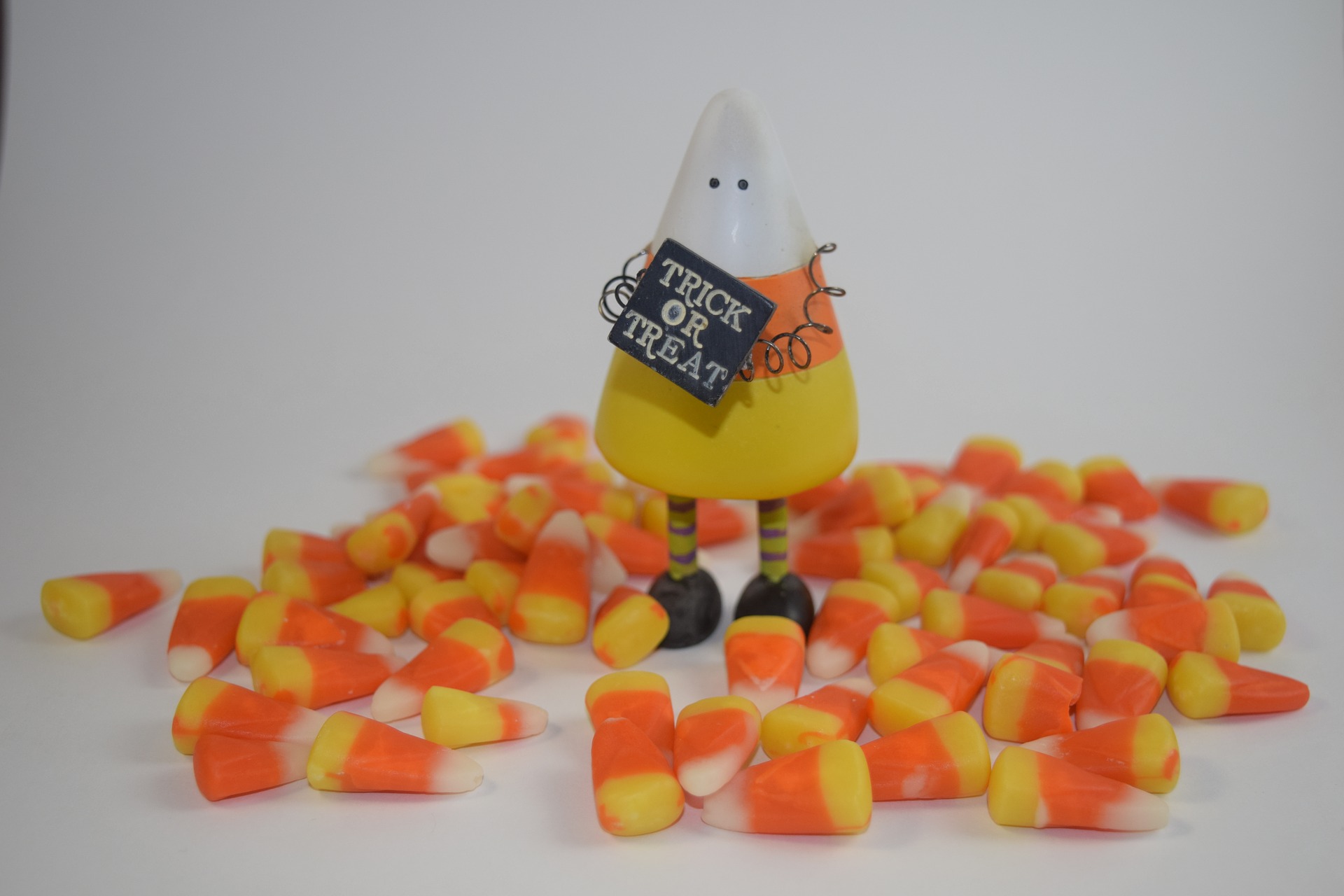
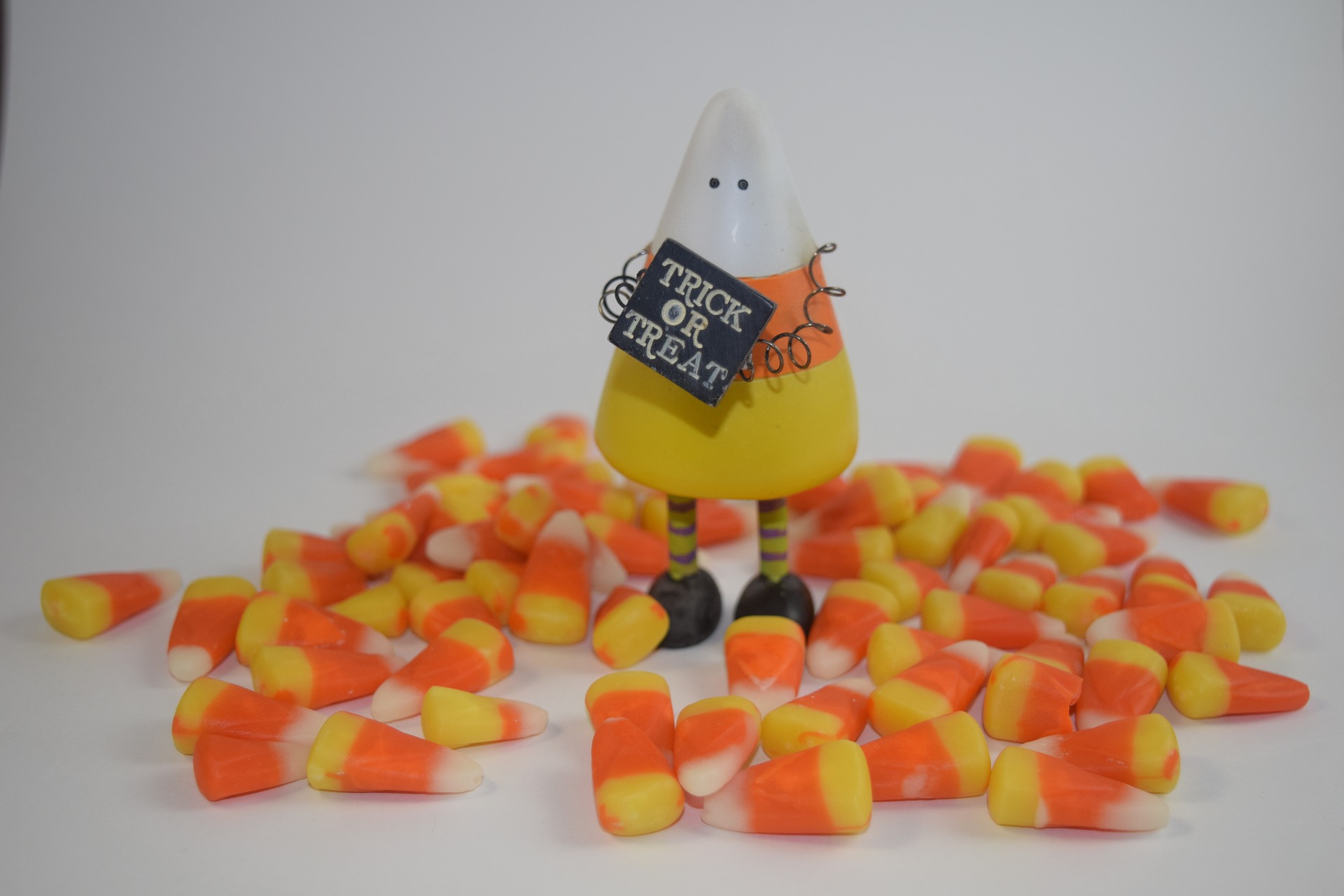
Can you feel it in the air? It’s almost Halloween! It’s time for costumes, ghosts, spooky movies, candy corn, and most importantly for the kids out there, it’s time for trick or treating.
Sometimes, it’s easy for adults to forget just how important that one night is for our kids, at least until they get their costumes on and lose their minds with excitement. Once they’re running and giggling and hoarding their chocolate, it’s pretty clear what a big deal it is.
Your kids probably can’t tell you why it matters so much. If you try to ask why they’re excited, the question seems so silly to them they’ll probably just reply “candy,” unless they’re a little older, in which case they’ll still only say “candy,” but do so in a tone of voice that indicates a plethora of contempt at your questioning.
Here’s why it matters: Your kids are, in many important ways, the poorest people you know. They don’t really own anything. They have clothes and toys, but they have little control over what they own. Even if they receive an allowance, kids at trick-or-treating age don’t have the mental capacity or personal experiences to really understand saving or thinking about tomorrow.
They’re poor in other ways, too. If you have a really bad day and you can’t even look at the kitchen, you might decide to head to a local Italian restaurant for a passable spaghetti dinner. If they have a long day, they get to eat what is put in front of them. For most kids, the most control they have over dinner is deciding how much ketchup to put on their plate. No wonder they use so much of it.
Halloween is important for the same reason. Once a year, kids get an enormous payday. They get candy, the universal currency of childhood. Some kids are good at rationing, and they make it last until Thanksgiving. Other kids have been waiting for the late-October bacchanal all year, and they finish the whole pile before bed. Oral hygiene can take a hike for the evening!
This might be the perfect time to talk to your kids about budgeting, and making the pile last. You could show them how grownup paychecks work, and “tax” their pile, explain the relationship between labor and income, or explain work ethic, demonstrating that the more houses they visit, the more candy they earn.
Alternatively, stop yourself from teaching them about money so you can learn about your kids. What does candy mean to them? Do they make trades to get their favorites, and if so, are they good negotiators? Have they noticed which houses are more generous, and do they strategize well? If you’re really interested in helping the kids develop good money habits, Halloween is a way to clearly demonstrate ideas, but it’s also a time to see how much they know on their own.